how many watts does a good blender need, another has 700 watts, and a more expensive option advertises 1,200 watts or more. It’s tempting to assume that the blender with the biggest number will give you the smoothest results, but that isn’t always true.
Wattage matters, especially if you regularly blend frozen fruit, crush ice, or prepare thick smoothies. However, the blade design, jar shape, motor performance, and ingredients you use also affect how well a blender works.
So, how many watts does a good blender need? For everyday smoothies and simple drinks, a mid-range blender may be enough. If you make thick smoothies, work with frozen ingredients, or prepare larger batches, a more powerful model designed for those jobs may be a better investment.
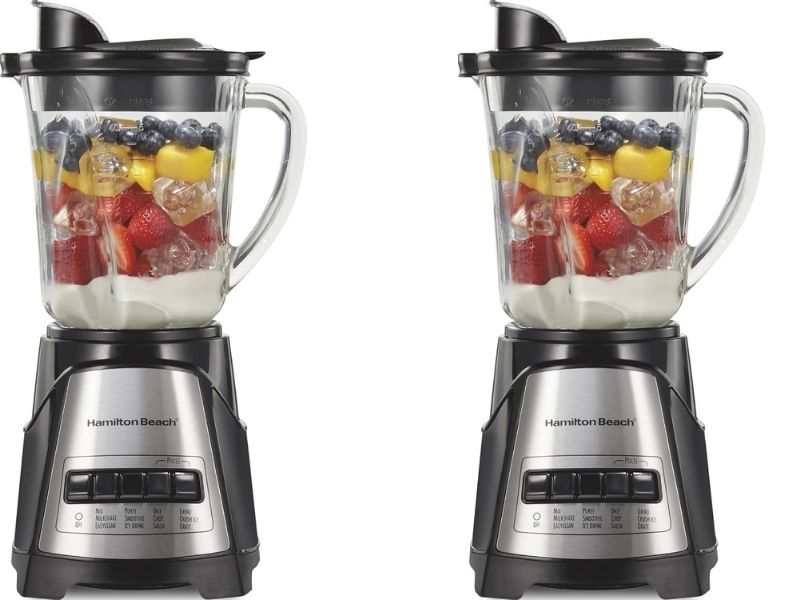
How Many Watts Should a Good Blender Have?
The right wattage depends on what you plan to make. These ranges offer a useful starting point when comparing countertop blenders.
| Blender Wattage | Typical Uses |
| 200–400W | Soft fruits, small portions, and simple drinks |
| 400–700W | Everyday smoothies, milkshakes, sauces, and dressings |
| 700–1,000W | Regular smoothies, some frozen ingredients, and thicker mixtures |
| 1,000–1,500W | More demanding blending, larger portions, and frequent use |
| 1,500W or more | Heavy-duty home blending and demanding recipes |
These are general guidelines, not guarantees of performance. A well-designed 700W blender may handle certain recipes better than a poorly designed model with a higher wattage rating.
Before buying, check the manufacturer’s recommended uses, particularly if you plan to crush ice or blend hard frozen ingredients. the how many watts does a good blender need
Also Read How to Choose the Right Blender for Smoothies
What Does Blender Wattage Mean?
Watts measure electrical power. A blender rated at 1,000W is designed to draw more electrical power at its rated operating level than a comparable 500W model.
However, the wattage printed on the box doesn’t tell you exactly how smooth your smoothies will be or how quickly the blender will finish a recipe.
Two blenders with similar wattage can produce different results because their motors, blades, containers, and ingredient circulation systems differ. The way ingredients move around the jar matters, too. If food repeatedly gets stuck above the blades, you may need to stop and stir the mixture, even when the motor is relatively powerful.
That’s why it’s worth comparing the complete appliance rather than choosing by wattage alone.
Al so Read: How to Choose the Right Blender for Smoothies
Does Higher Wattage Mean Better Blending?
Not automatically. More motor power can be useful when you’re working with demanding ingredients, but it doesn’t guarantee better results in every situation.
A high-wattage blender may be a sensible choice for someone who makes frozen fruit smoothies every morning. For someone who mainly blends ripe bananas with milk or yogurt, that extra power may offer little practical benefit.
Higher wattage also doesn’t automatically mean quieter operation, better construction, easier cleaning, or a longer lifespan. Those qualities depend on other aspects of the design.
Consider your usual recipes before paying extra for a more powerful motor. how many watts does a good blender need
How Many Watts Do You Need for Smoothies?
For smoothies made with fresh berries, ripe bananas, yogurt, milk, or juice, a blender in the 400–700W range may be sufficient for many recipes.
Your requirements change when you add tougher ingredients.
- Fresh fruit smoothies: A basic or mid-range blender can work well with soft fruit and enough liquid.
- Daily smoothies: Look for a model designed for regular use, with suitable capacity and convenient controls.
- Frozen fruit smoothies: Choose a blender whose manufacturer recommends it for frozen ingredients.
- Green smoothies: Spinach and kale need to circulate properly around the blades. Jar design, liquid quantity, and blending technique matter alongside motor power.
- Thick smoothies: A more capable motor may help, but the recipe, amount of liquid, and ingredient circulation also affect the result.
If you regularly use nuts, seeds, large amounts of ice, or very thick mixtures, check the blender’s specific capabilities before purchasing it.
Is a 300W Blender Enough?
A 300W blender can be useful for small portions, soft fruit, and simple drinks. It may suit someone who makes an occasional banana smoothie or blends other soft ingredients.
It is less likely to be the right choice for frequent heavy-duty blending, large batches, or recipes involving substantial amounts of ice and hard frozen ingredients.
If you’re considering a 300W model, look at its intended uses and capacity. A small blender designed for personal drinks shouldn’t be judged by the same expectations as a full-size countertop model.
Is a 500W Blender Good Enough?
For everyday light-to-moderate blending, a 500W blender can be a practical option. Depending on its design, it may handle:
- Fresh fruit smoothies
- Milkshakes
- Salad dressings
- Sauces
- Soft vegetables
- Simple blended drinks
The main limitation is that not every 500W model is designed for demanding ingredients. If you regularly use frozen fruit or ice, confirm that the manufacturer supports those tasks rather than assuming the motor can handle them.
For someone who mainly makes simple drinks, spending more on a high-powered blender may not be necessary.how many watts does a good blender need
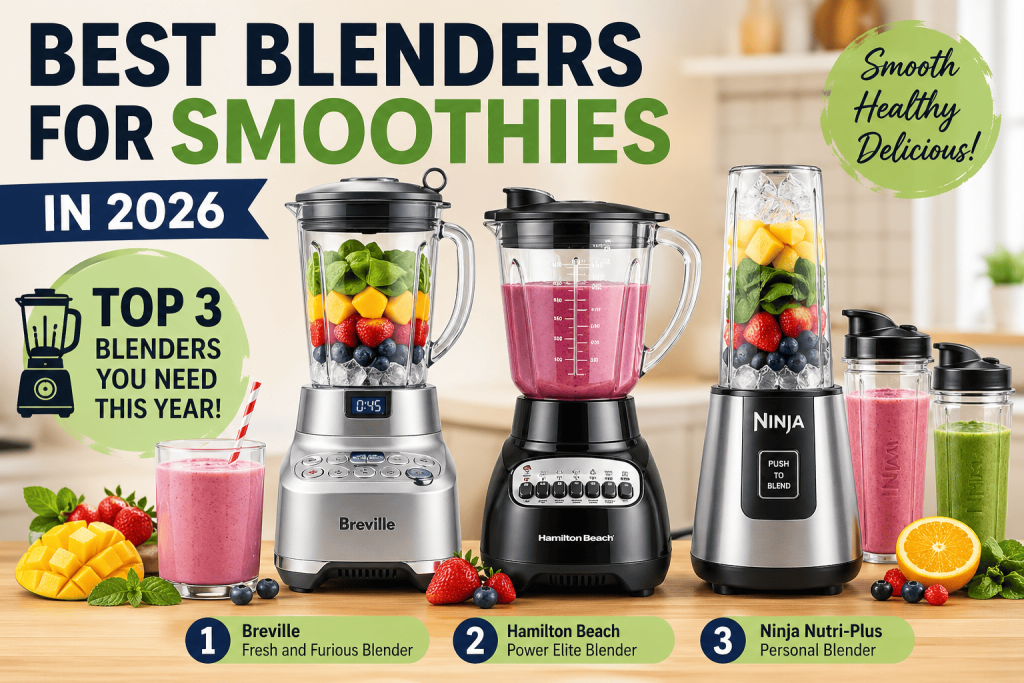
also Read Best Blenders for Smoothies in 2026
Is 700W Enough for a Blender?
A 700W blender can offer a useful middle ground between everyday convenience and additional motor power.
It may be suitable for regular smoothies, sauces, dips, and some frozen-fruit recipes. Actual performance will depend on the model and the manufacturer’s recommendations.
For example, a blender with effective blades and a jar that keeps ingredients moving may produce better results than a higher-wattage model with poor ingredient circulation.
If you’re comparing two blenders in this range, pay attention to capacity, controls, cleaning, and the types of ingredients each one can handle.how many watts does a good blender need
Is a 1,000W Blender Powerful Enough?
For many households, a 1,000W blender provides plenty of power for regular smoothie preparation and a wider range of blending tasks.
This range is worth considering if you frequently prepare frozen fruit drinks, thicker smoothies, dips, or multiple portions. Some models also include preset programs and variable speed controls that make everyday preparation easier.
Still, 1,000W isn’t a guarantee of superior performance. Check the blade system, container design, and supported uses before deciding that one model is better than another.
Do You Need a 1,500W Blender or More?
A blender rated at 1,500W or above may be worth considering if you regularly prepare demanding recipes, blend large batches, or want a machine designed for frequent heavy use.
For occasional fruit smoothies, though, buying the highest-wattage model available may not be worth the additional cost.
Before choosing a premium blender, ask yourself three questions:
- Do I regularly blend frozen or otherwise demanding ingredients?
- Do I need to prepare several servings at once?
- Will the additional features make my daily routine easier?
If the answer to most of these questions is no, a less powerful model may meet your needs. this how many watts does a good blender need only for you
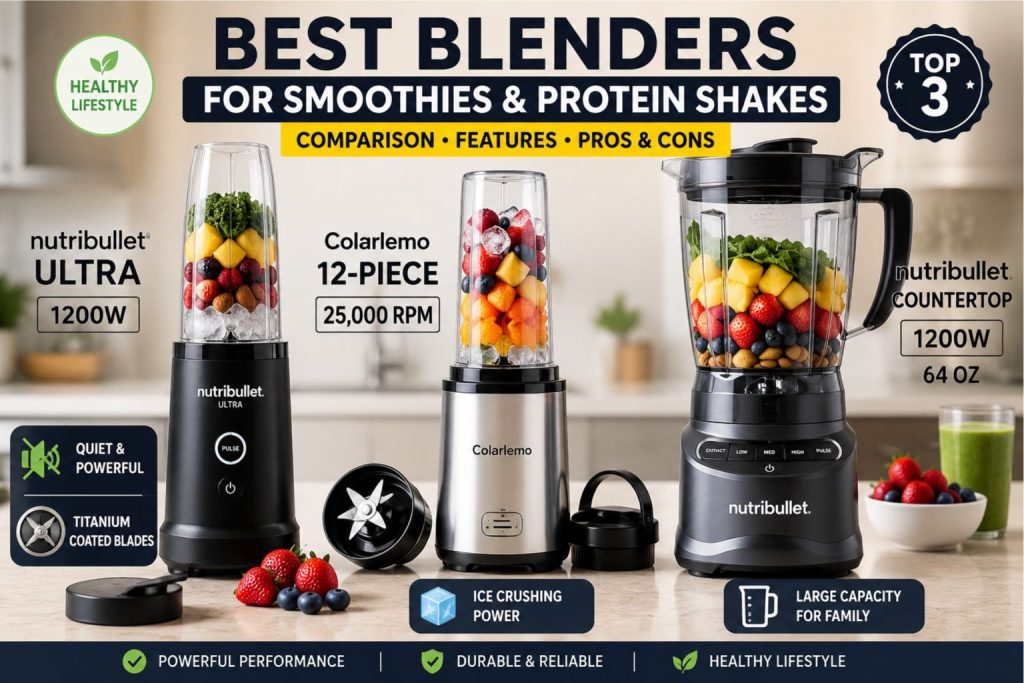
you can also Read Best Blender for Smoothies 2026: Ninja vs Hamilton Beach vs NutriBullet
Blender Wattage vs. Horsepower
Some manufacturers advertise horsepower instead of, or alongside, wattage. Although both are units of power, they aren’t interchangeable specifications.
Watts describe electrical power, while horsepower is commonly used to express mechanical power output. The figures may also be presented using different measurement conventions.
When comparing blenders, don’t assume that an advertised horsepower figure can be compared directly with the wattage printed on another model’s box. Focus on the manufacturer’s full specifications and the tasks the appliance is designed to perform.how many watts does a good blender need
Does Wattage Affect Smoothie Texture?
It can, but motor power is only part of the equation.
A suitable motor may help a blender maintain performance when processing demanding ingredients. However, smoothie texture also depends on blade design, jar shape, ingredient proportions, liquid quantity, and blending technique.
If a mixture is too thick or contains too little liquid, ingredients may struggle to reach the blades. Adding liquid gradually, using the recommended speed settings, and following the manufacturer’s instructions can help.
For green smoothies, pay particular attention to how the ingredients circulate. A powerful motor won’t necessarily solve a poorly moving mixture. how many watts does a good blender need
How Many Watts Do You Need to Crush Ice?
Crushing ice places different demands on a blender than mixing soft fruit. If you plan to make frozen drinks regularly, choose a model that the manufacturer specifically recommends for ice crushing.
Check the instructions for the maximum ice quantity, whether liquid is required, and which speed or pulse setting to use. Avoid assuming that every high-wattage blender can safely handle ice.
Using an appliance beyond its intended capabilities can increase wear and may damage the blender.how many watts does a good blender need
Does a Higher-Wattage Blender Use More Electricity?
A higher-wattage blender can draw more electrical power while operating at its rated level. However, electricity consumption also depends on how long you use it and how the motor operates during the task.
For example, a powerful blender running briefly may not consume dramatically more electricity than a lower-powered model that needs to run much longer for the same job.
For most people who blend a few drinks each day, choosing a suitable and convenient appliance is likely to matter more than small differences in electricity use.how many watts does a good blender need
What Else Should You Check Before Buying a Blender?
Wattage is only one part of a useful buying decision. Compare these features before choosing a model.
1. Jar capacity: A personal blender may work well for one serving, while a larger household may need a full-size jar.
2. Blade design: Look for a blade system intended for the ingredients you use. More blades don’t automatically mean better performance.
3. Speed controls: Variable speeds and pulse settings can help you adjust the blending process to different recipes.
4. Preset programs: Automatic settings can be convenient if you frequently make the same drinks.
5. Build quality: Examine the jar, lid, controls, and motor base. A design that feels sturdy and is easy to use can make everyday blending more convenient.
6. Cleaning: Removable or easy-to-clean components can save time, especially if you make smoothies daily.
7. Warranty: Review the warranty terms and available customer support before buying.
8. Noise: If you usually make smoothies early in the morning, check reviews for comments about operating noise. Wattage alone doesn’t tell you how loud a blender will be.how many watts does a good blender need
Which Blender Wattage Is Best for Your Home?
Your household size, kitchen space, and cooking habits should influence your choice just as much as motor power.
For a small kitchen, a compact blender may be more convenient than a large countertop model. If you usually prepare one serving, a personal blender with a suitable capacity may be enough.
Families who prepare several drinks at once should pay attention to jar capacity. A large container can be more practical than a powerful personal blender that only accommodates one serving.
If you regularly blend frozen fruit, make thick smoothies, or prepare larger quantities, consider a model designed for those tasks. If your recipes mainly involve fresh, soft ingredients, you may not need to spend extra on maximum wattage.how many watts does a good blender need
Common Mistakes to Avoid When Choosing Blender Wattage
Choosing the highest wattage automatically: A bigger number doesn’t guarantee smoother results or better build quality.
Ignoring jar capacity: A powerful motor won’t help if the container is too small for your usual recipe.
Overlooking the blade and jar design: Ingredient circulation plays an important role in how evenly food blends.
Assuming every blender can crush ice: Check the manufacturer’s recommendations before using hard or frozen ingredients.
Paying for features you won’t use: A premium model may be unnecessary if you only prepare simple drinks.
Forgetting about cleaning and noise: A blender that’s inconvenient to clean or unpleasantly loud may be frustrating to use every day.how many watts does a good blender need
How to Choose the Right Blender Wattage
Follow these steps to narrow down your options:
- List your usual ingredients. Decide whether you mainly use soft fruit or regularly blend frozen ingredients, ice, nuts, or thick mixtures.
- Choose your serving size. A personal blender and a full-size countertop blender serve different needs.
- Think about frequency. Occasional use may require less capability than daily, demanding blending.
- Compare the full specifications. Look beyond wattage at jar capacity, controls, cleaning, and construction.
- Check the intended uses. Confirm that the manufacturer recommends the model for your regular recipes.
- Set a realistic budget. Spend more when the additional power or features solve a genuine problem. how many watts does a good blender need
Frequently Asked Questions
How many watts should a good blender have?
For many everyday recipes, a blender rated at 400–700W may be sufficient. If you frequently use frozen fruit, prepare thick mixtures, or blend larger batches, consider a more powerful model designed for those tasks.
Is a 500W blender powerful enough for smoothies?
Yes, a 500W blender can handle many simple smoothies made with fresh, soft ingredients. Its suitability for frozen fruit or ice depends on the particular model and its manufacturer’s recommendations.
Is 700W enough for frozen fruit?
Some 700W blenders are designed for frozen ingredients, while others may have more limited capabilities. Check the manufacturer’s instructions rather than relying on wattage alone.
Is a 1,000W blender good for daily smoothies?
A 1,000W model may be a good option for regular smoothie preparation, especially if you use frozen ingredients or make thicker drinks. Jar design, blade performance, and the recipe still matter.
Is a higher-wattage blender always better?
No. A higher rating indicates greater electrical power capability, not guaranteed blending quality. Motor design, blades, container shape, and intended use all affect performance.
What wattage blender is best for crushing ice?
Choose a blender that the manufacturer specifically approves for crushing ice. Follow its instructions for ice quantities, liquid, and speed settings.how many watts does a good blender need
Does higher wattage make a blender louder?
Not necessarily. Motor design, housing, blades, speed, and overall construction influence noise. Read reviews of the specific model if noise is a concern.
How many watts do I need for a personal blender?
A personal blender used mainly for simple smoothies may not need as much power as a full-size blender designed for demanding tasks. Choose according to the ingredients you use and the manufacturer’s recommendations. how many watts does a good blender need
Does wattage affect blender durability?
Wattage alone doesn’t determine durability. Materials, motor design, cooling, build quality, maintenance, and proper use all contribute to how long a blender lasts.
Final Verdict: How Many Watts Does a Good Blender Need?
For simple smoothies and everyday drinks, a 400–700W blender may be enough for many households. If you regularly blend frozen fruit, make thick smoothies, crush ice, or prepare larger batches, consider a higher-powered model designed for those jobs.
Before buying, compare the motor rating with the blender’s capacity, blade design, ease of cleaning, noise, warranty, and recommended uses. how many watts does a good blender need
The goal isn’t to buy the blender with the biggest number on the box. It’s to choose one that handles your usual recipes comfortably without paying for power or features you rarely need.